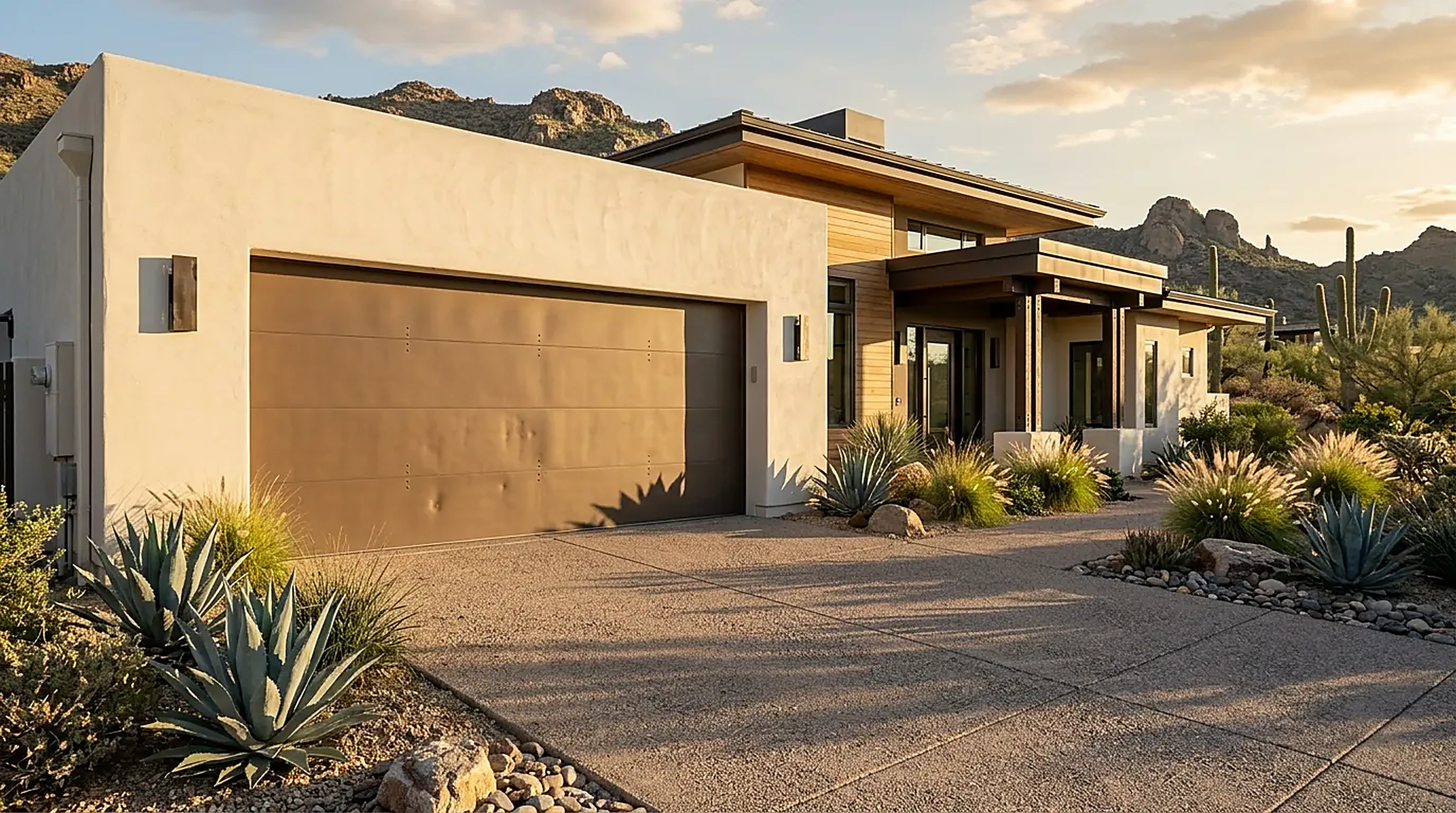
Canton, MI · Garage Door Service
Local garage door repair for Canton, MI homes built mostly between 1963 and the 1970s. Torsion springs, openers, panels, and honest advice on repair vs. replace.
What We Do
From a snapped spring to a full door replacement - one local crew, upfront pricing.
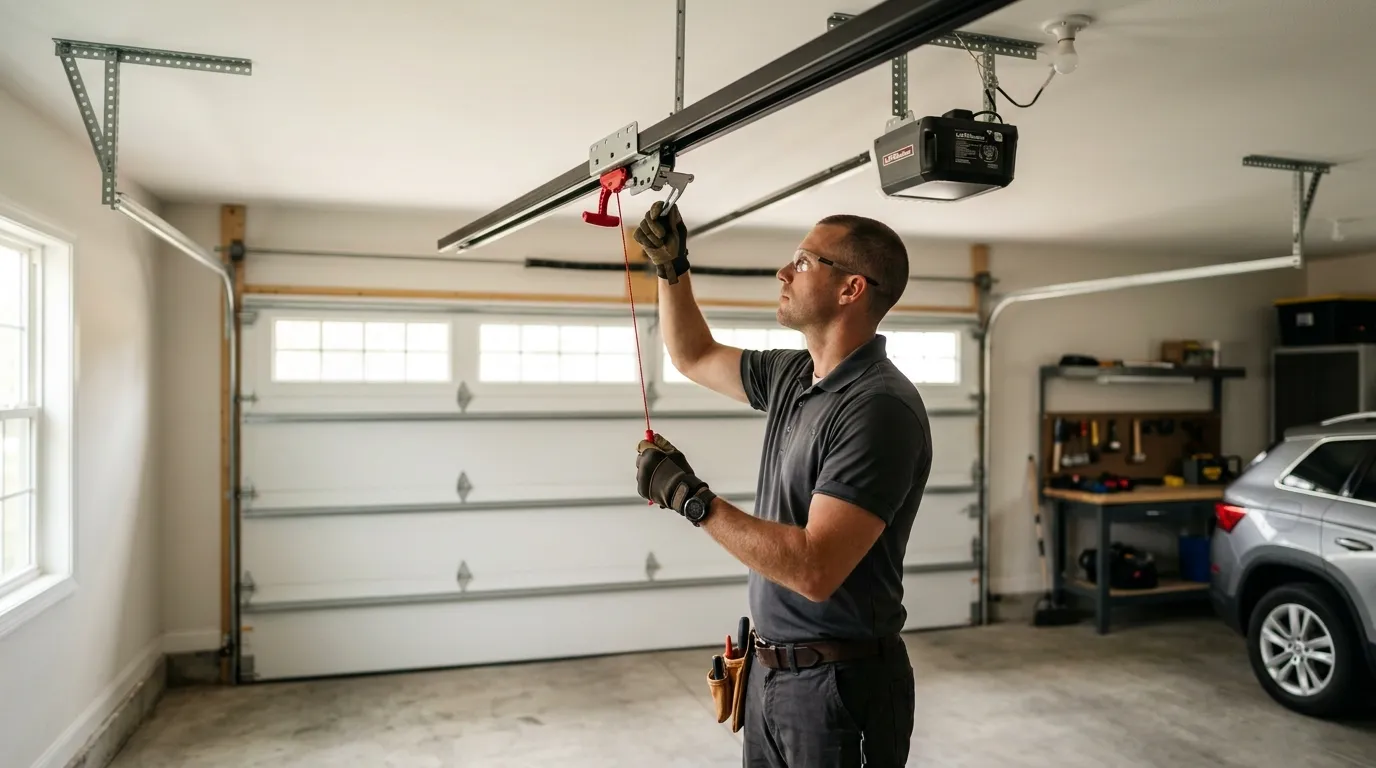
Off-track doors, snapped cables, bent panels and grinding openers - diagnosed and fixed.
Learn more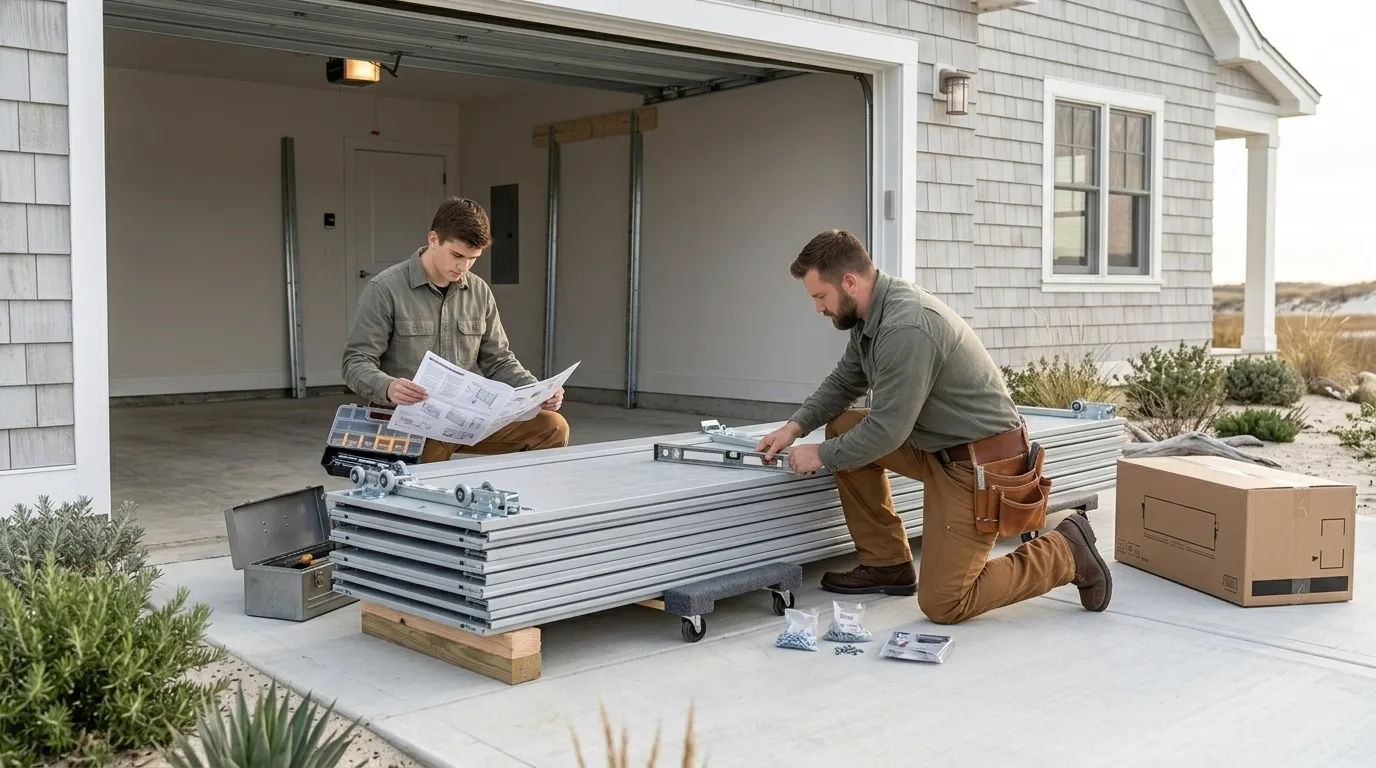
Torsion and extension springs replaced safely - the job you should never DIY.
Learn more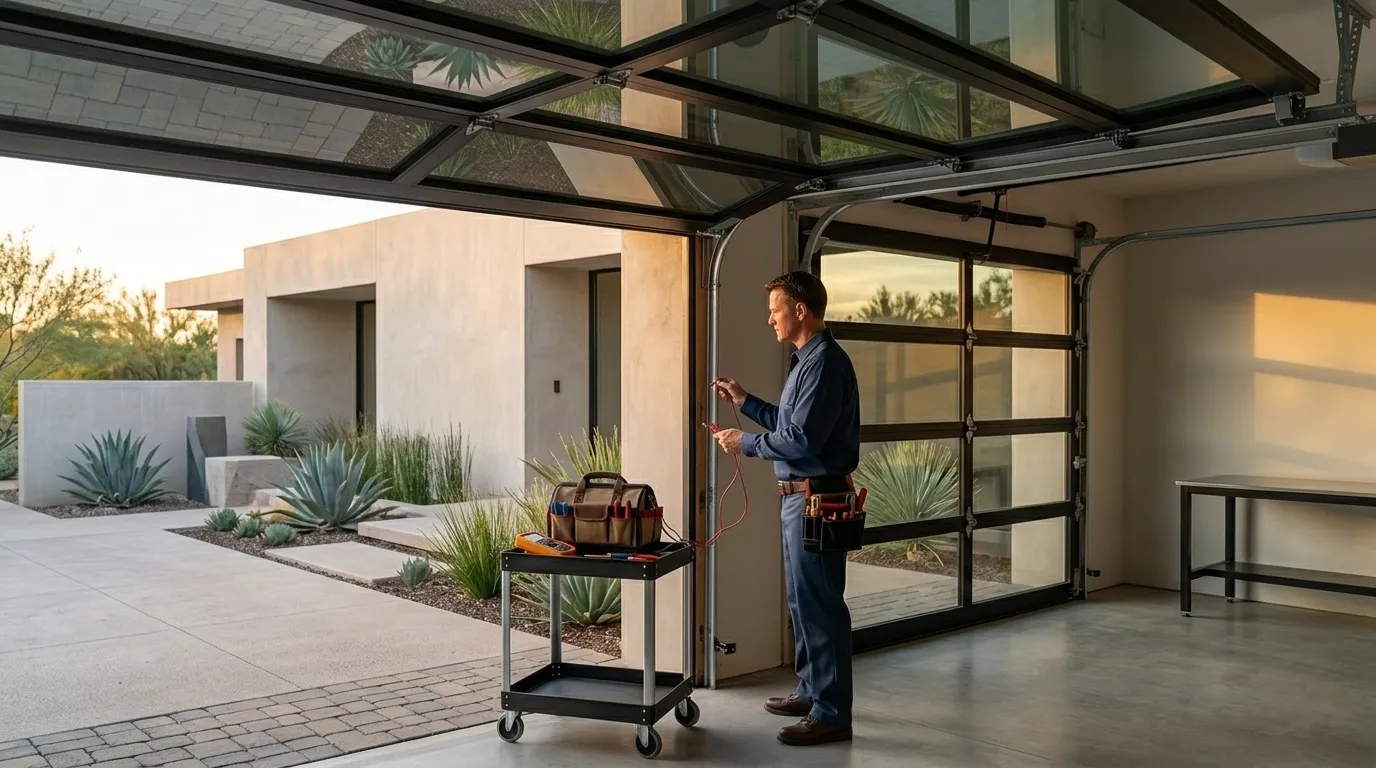
Chain, belt and screw-drive openers, safety sensors and rolling-code remotes.
Learn more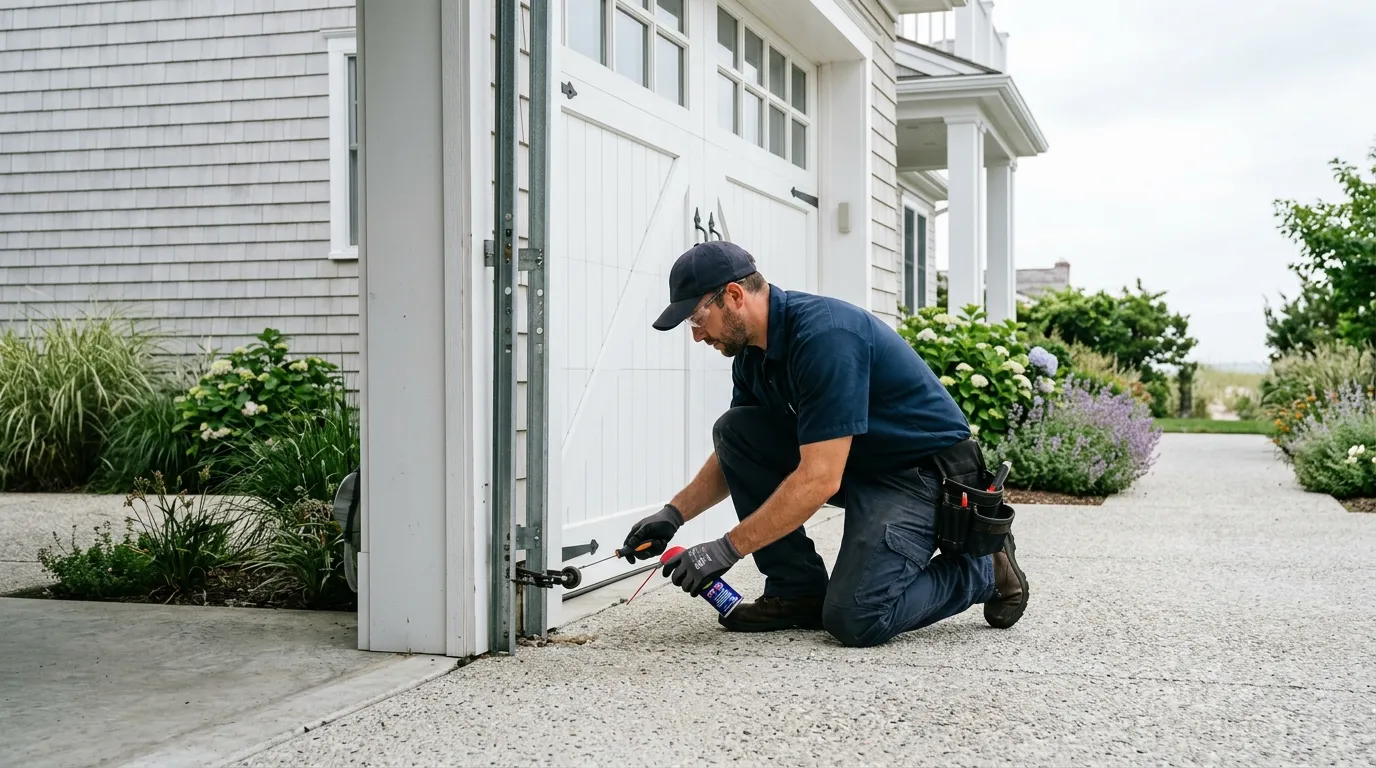
Doors jumped the track re-set, aligned and re-tensioned so they run true.
Learn more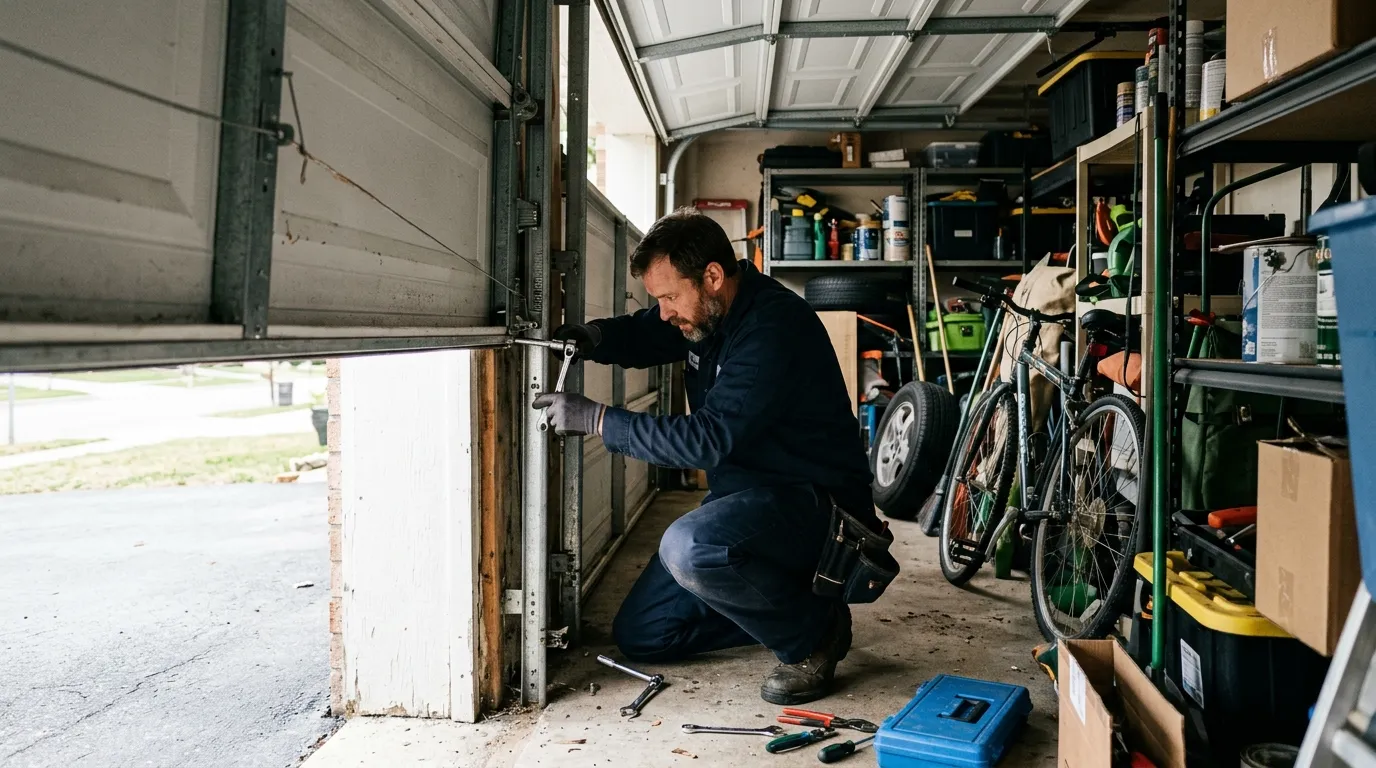
Frayed or snapped lift cables replaced and balanced against the springs.
Learn more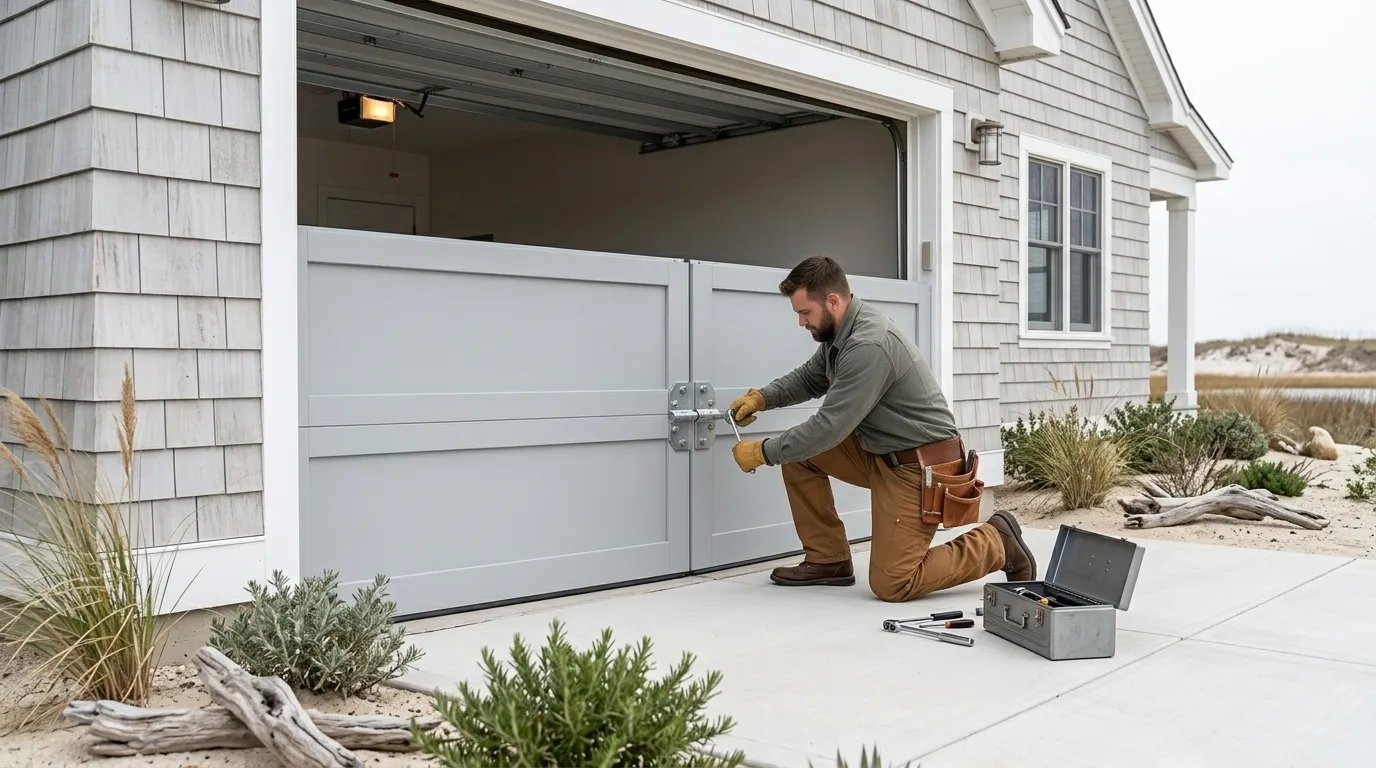
Rolling steel, sectional and high-cycle doors for shops, warehouses and lots.
Learn moreFast Response
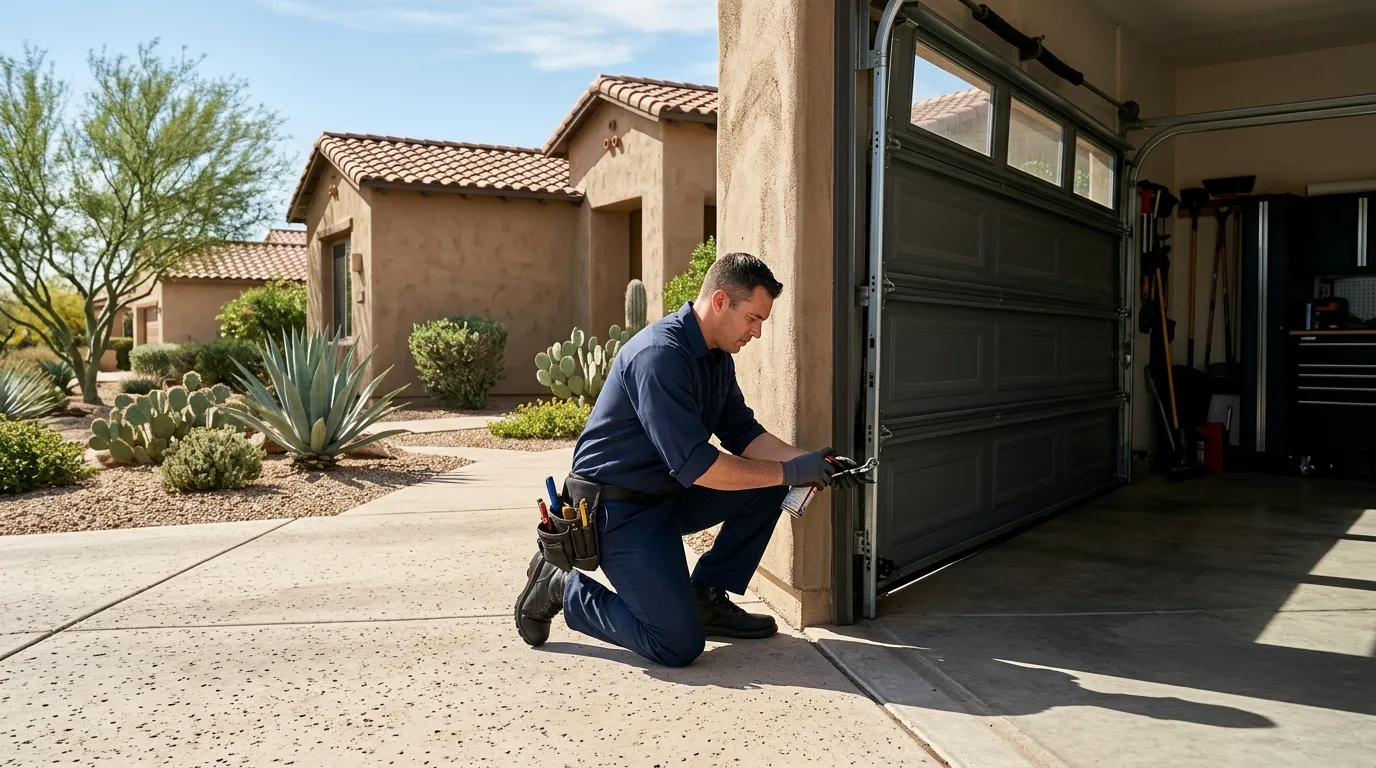
A stuck or broken garage door can't wait. Call before the afternoon and we can usually be out the same day - most repairs are diagnosed and finished on the first visit, with an upfront price before any work starts.
 Same-day service
Why Canton Calls Us
Most repair calls are handled the same or next day - springs and openers don't wait.
Trained techs, proper spring tools, and the insurance to back the work.
A written quote at the door before any work starts - no surprise add-ons.
We diagnose the actual cause, not just the symptom, so the door stays fixed.
Fully stocked trucks mean most repairs are finished on the first visit, no second trip.
A Canton-based team you can reach directly, not a national call center.
How It Works
Call or request a quote and describe what the door is doing - noise, off-track, won't open.
A tech inspects the springs, tracks, opener and panels and gives you a written price first.
Most repairs are done on the same visit; installs are scheduled around you.
Our Work
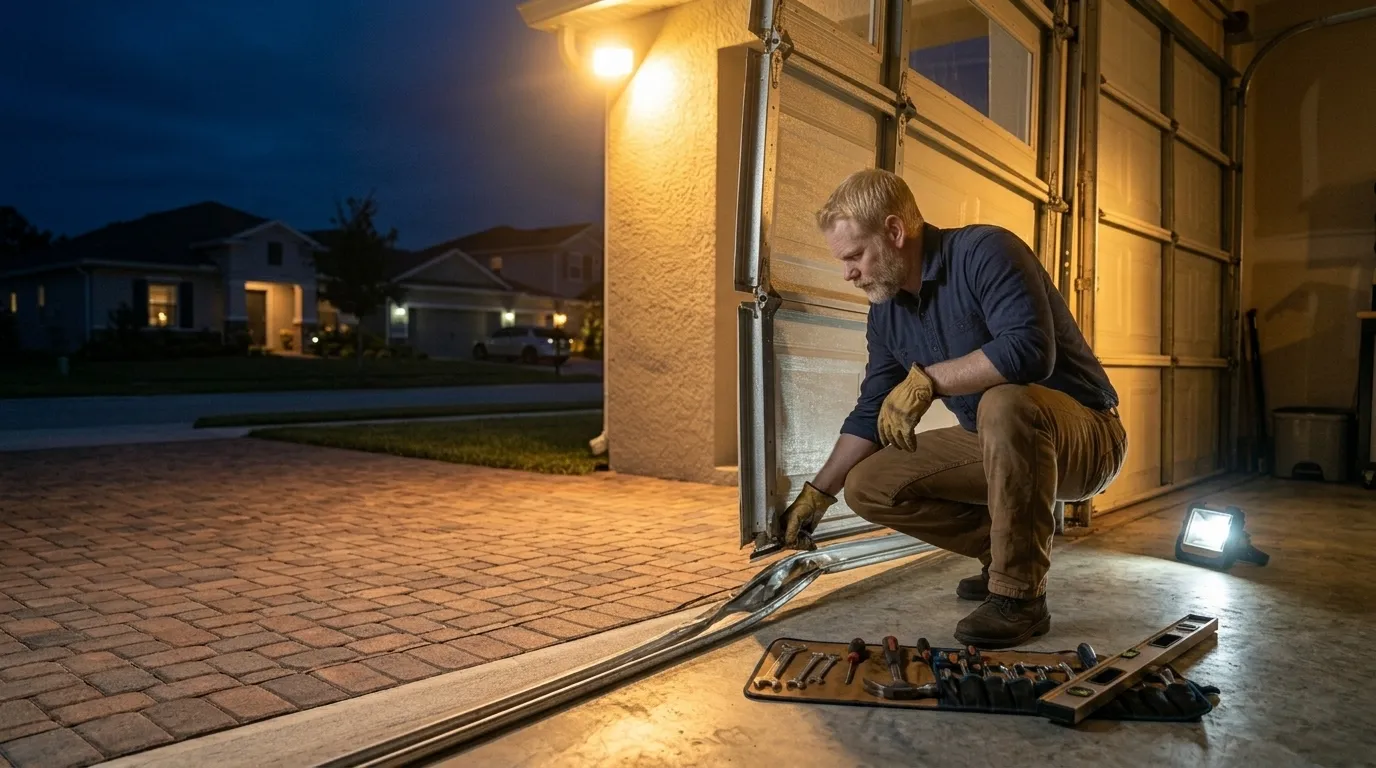
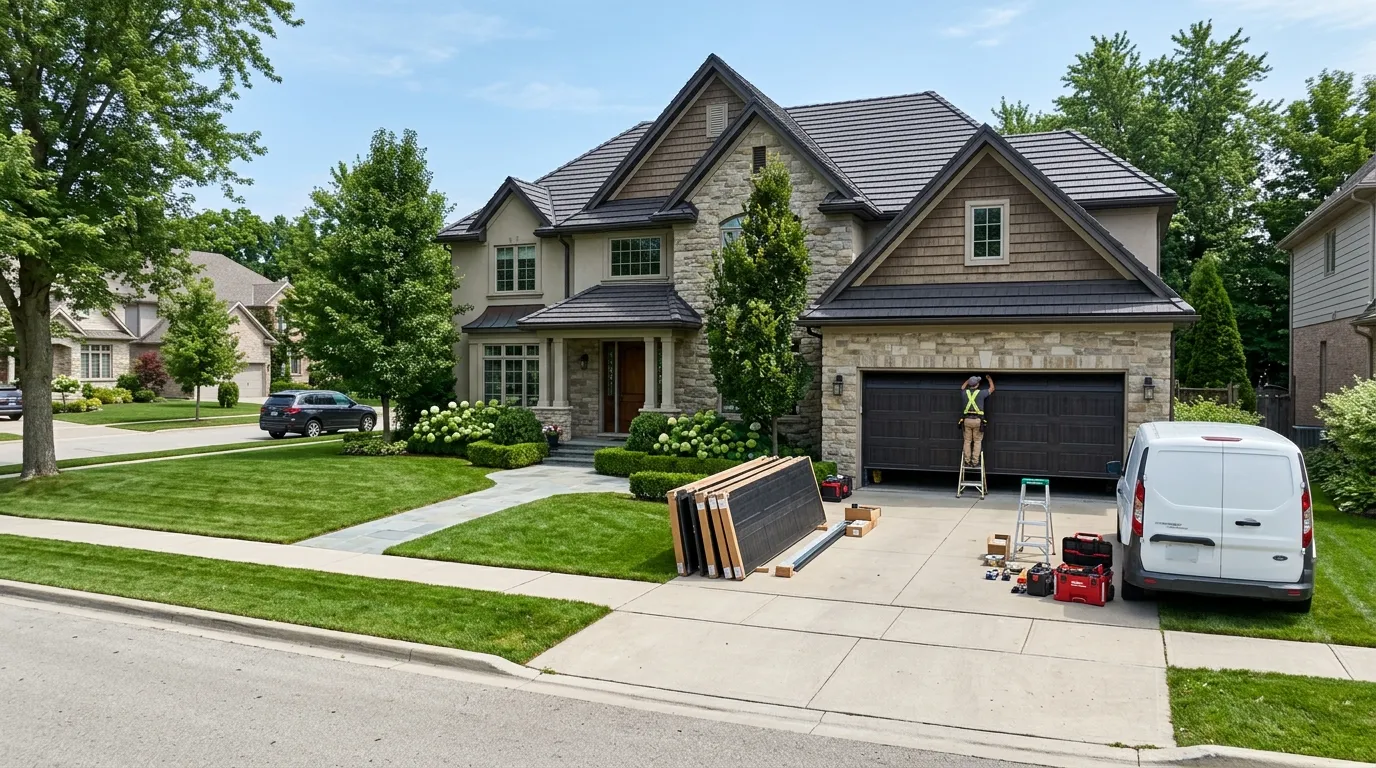
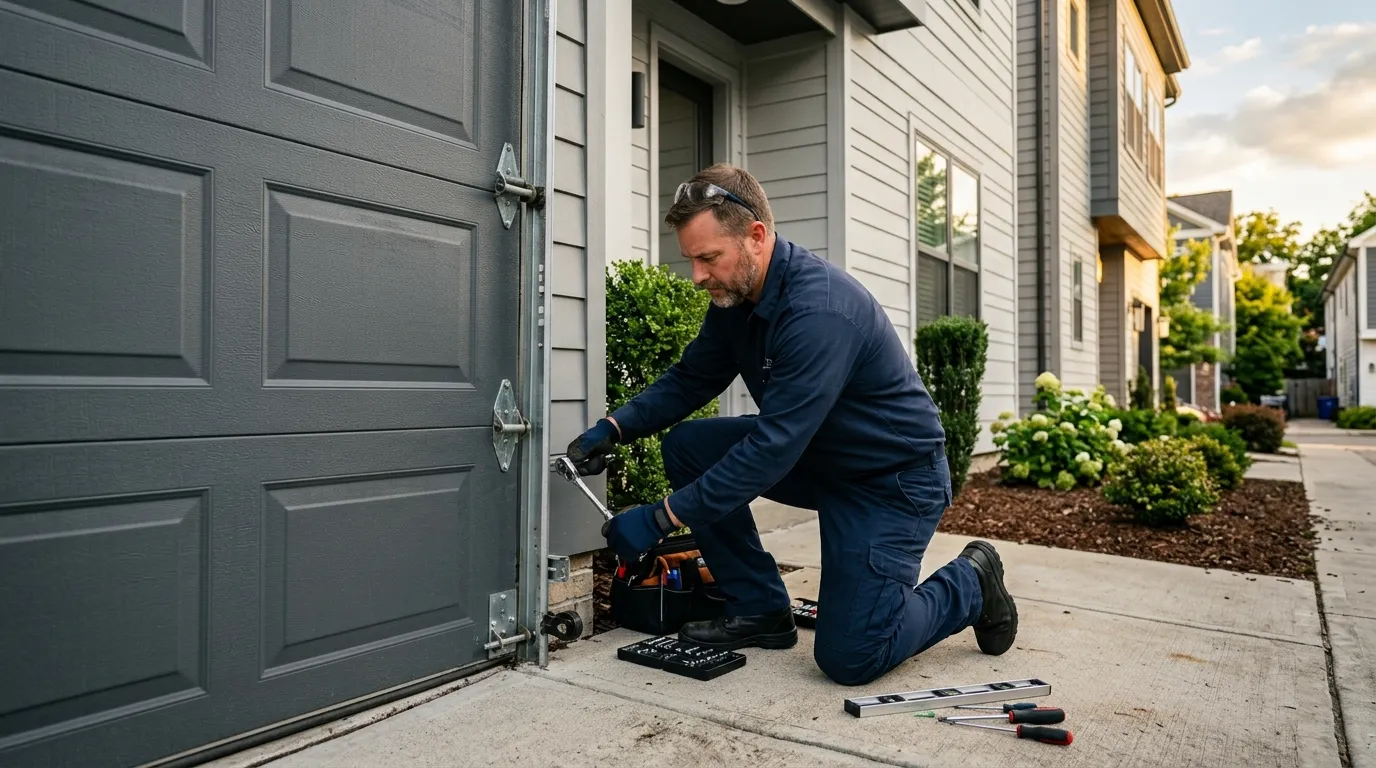
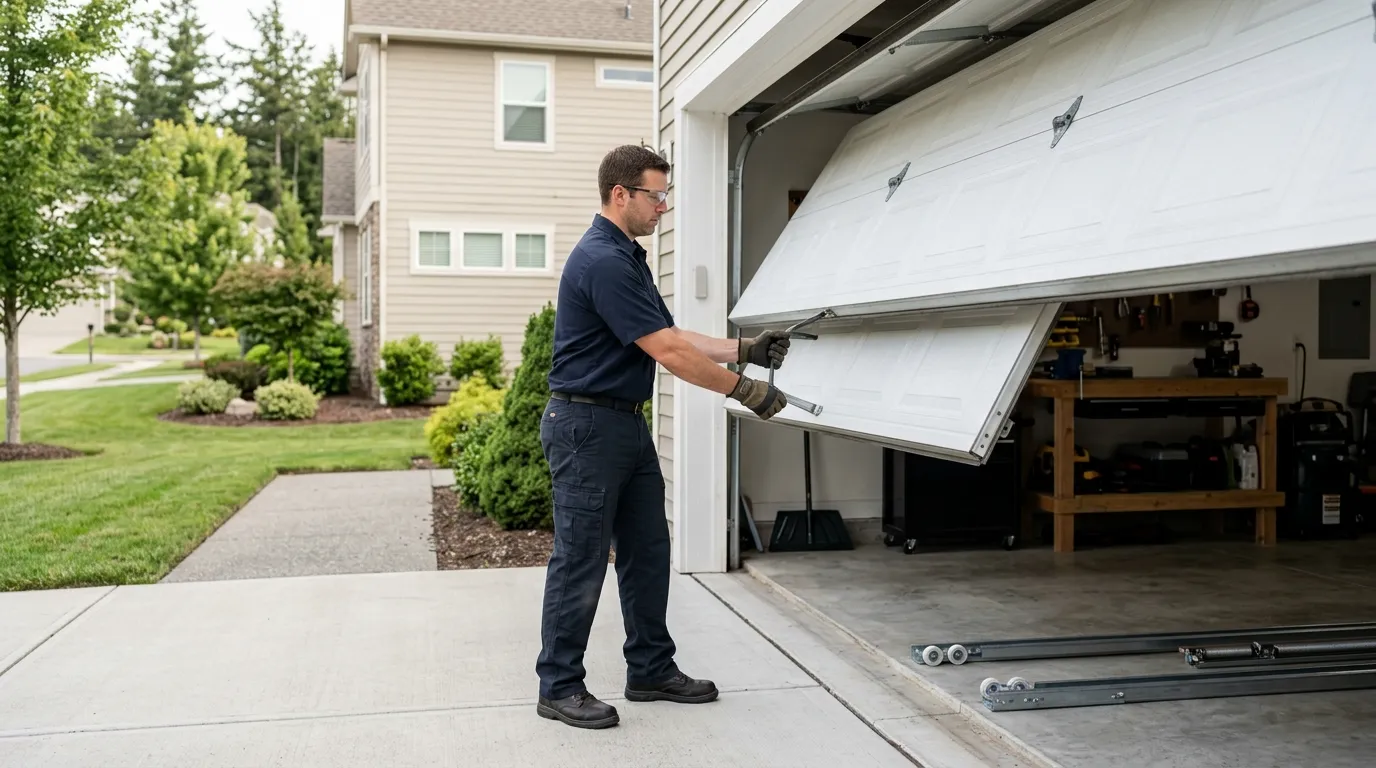
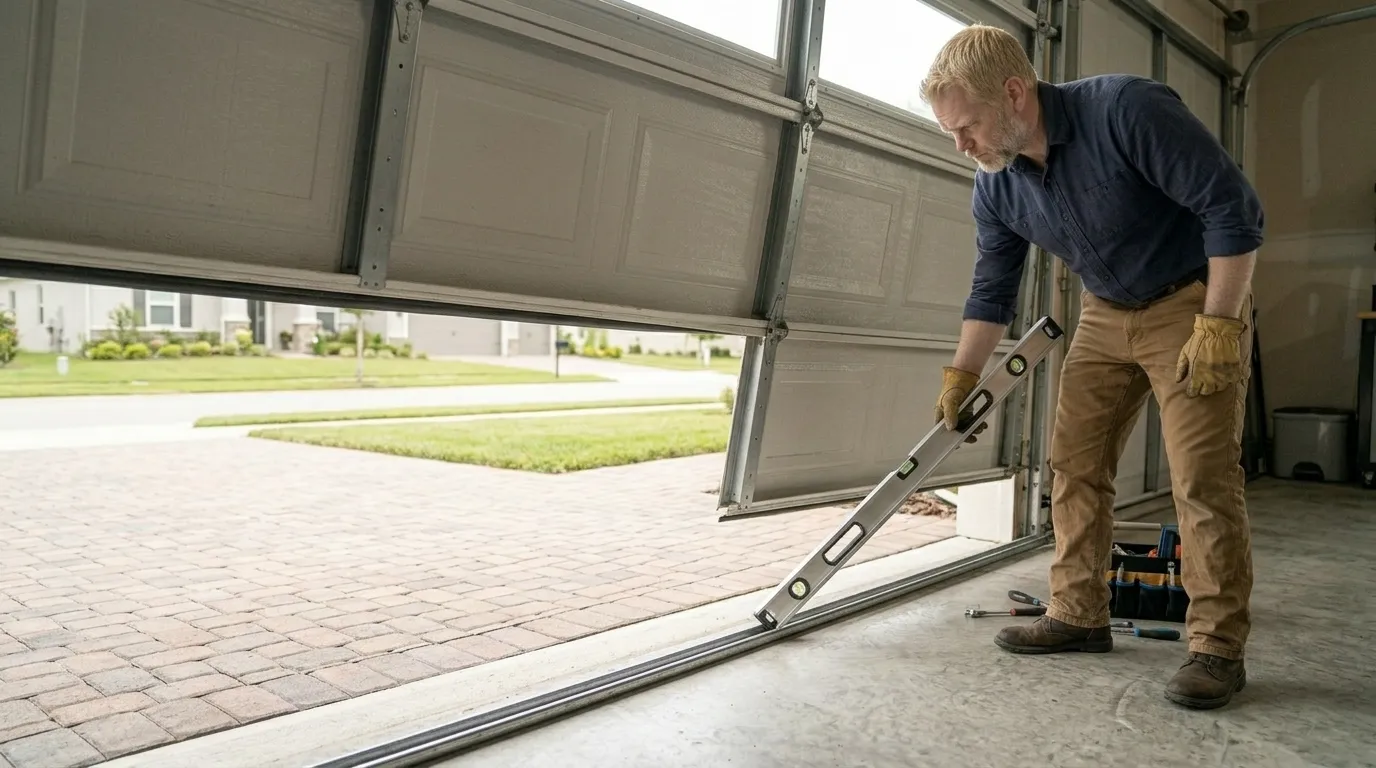
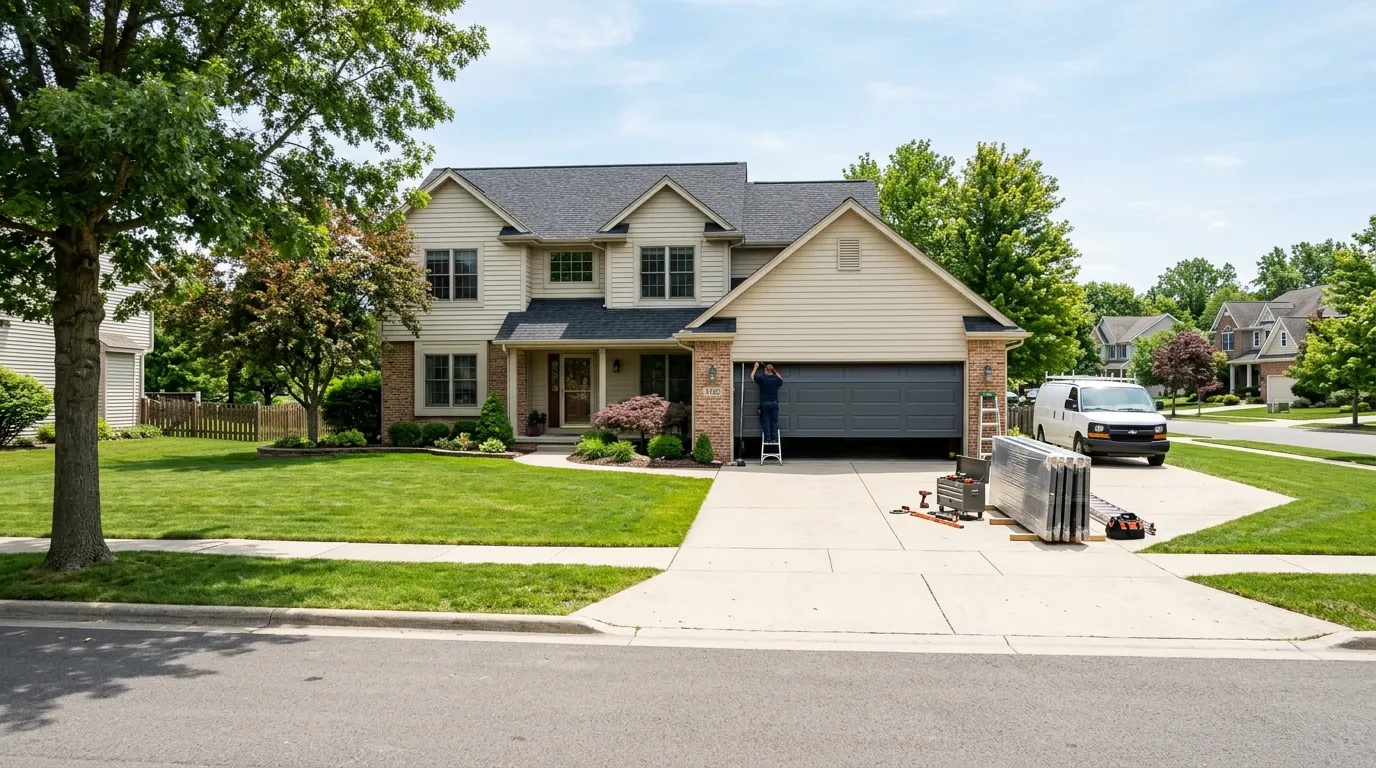
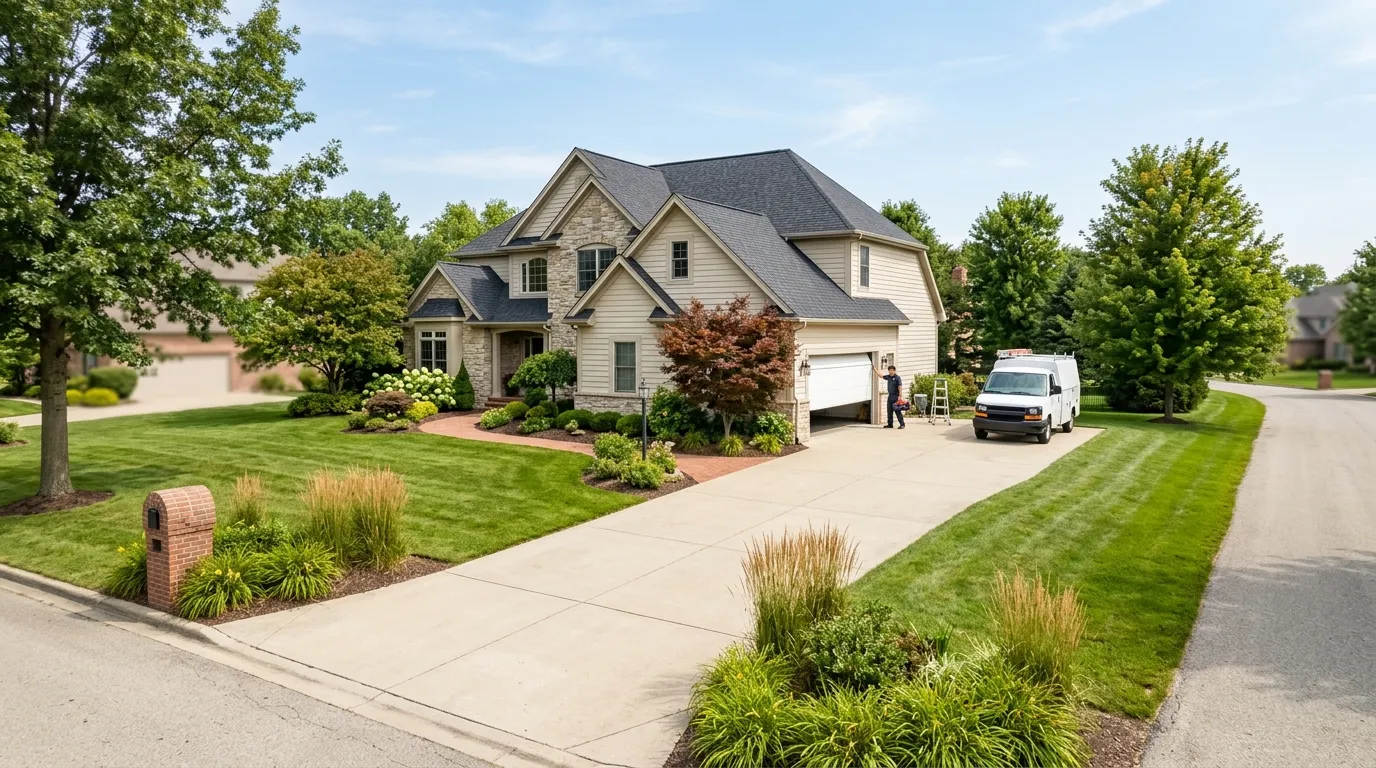
A look at doors, openers and springs we've installed and serviced across the Canton metro.
Where We Work
Neighborhoods across the city and suburbs around the metro. Not sure if we reach you? Just ask.
Local Expertise
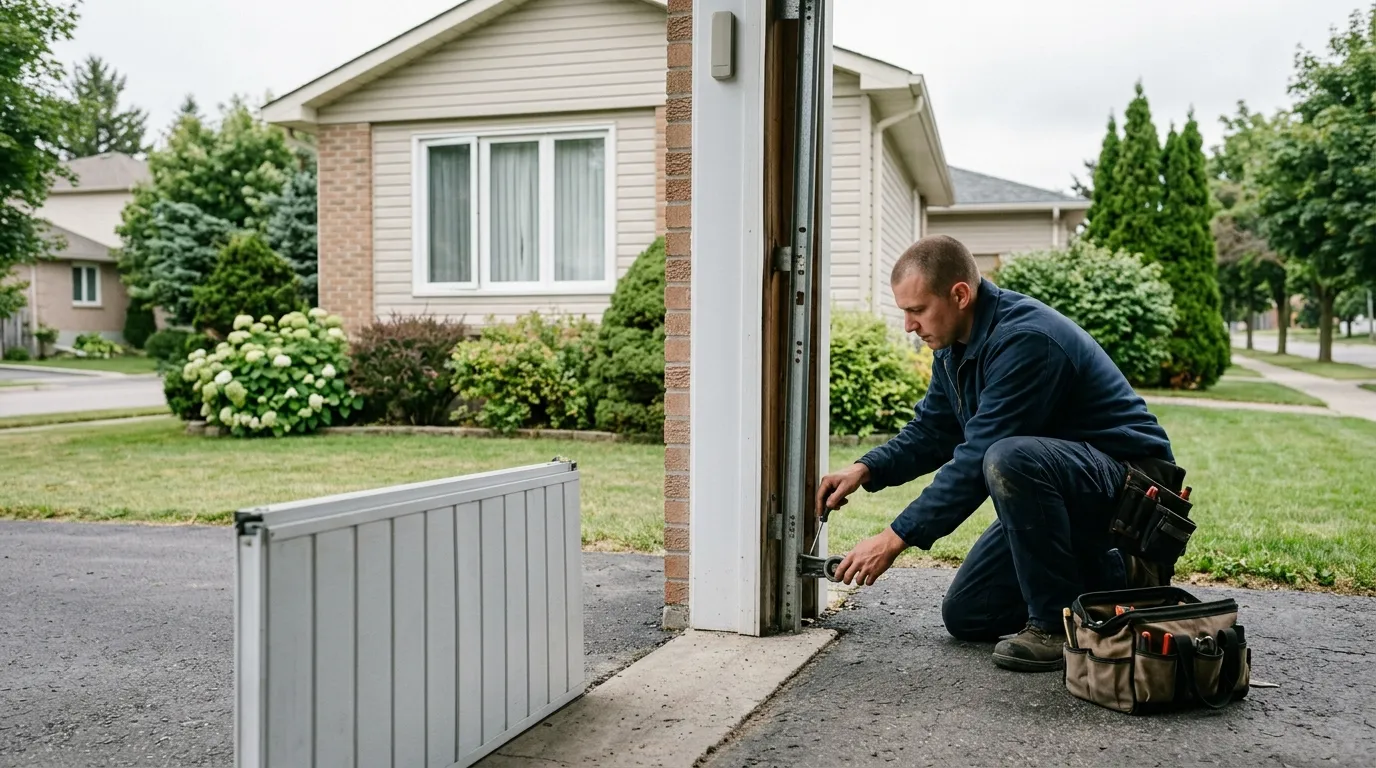
What a job costs here comes down to what's on the door, not a flat rate we quote over the phone. A broken torsion spring on a double door is a different job than a slipped cable on a single, and an opener swap is different again. Homes in this area were mostly built between 1944 and 1991, with a median build year around 1963, so a lot of what we run into is original or second-generation hardware - springs and track sized for doors that aren't made the same way anymore. That can mean sourcing a part that isn't sitting on a standard truck stock shelf, which adds to the bill. We don't quote a number until we've seen the door, the spring size, and the drum setup, because guessing on those leads to either lowballing you or padding the estimate. One honest limitation: if your door is a nonstandard size from that era, or the track has been modified once already by a prior repair, expect the estimate to run higher than a big-box replacement door would. We'll tell you that up front, not after we've started.
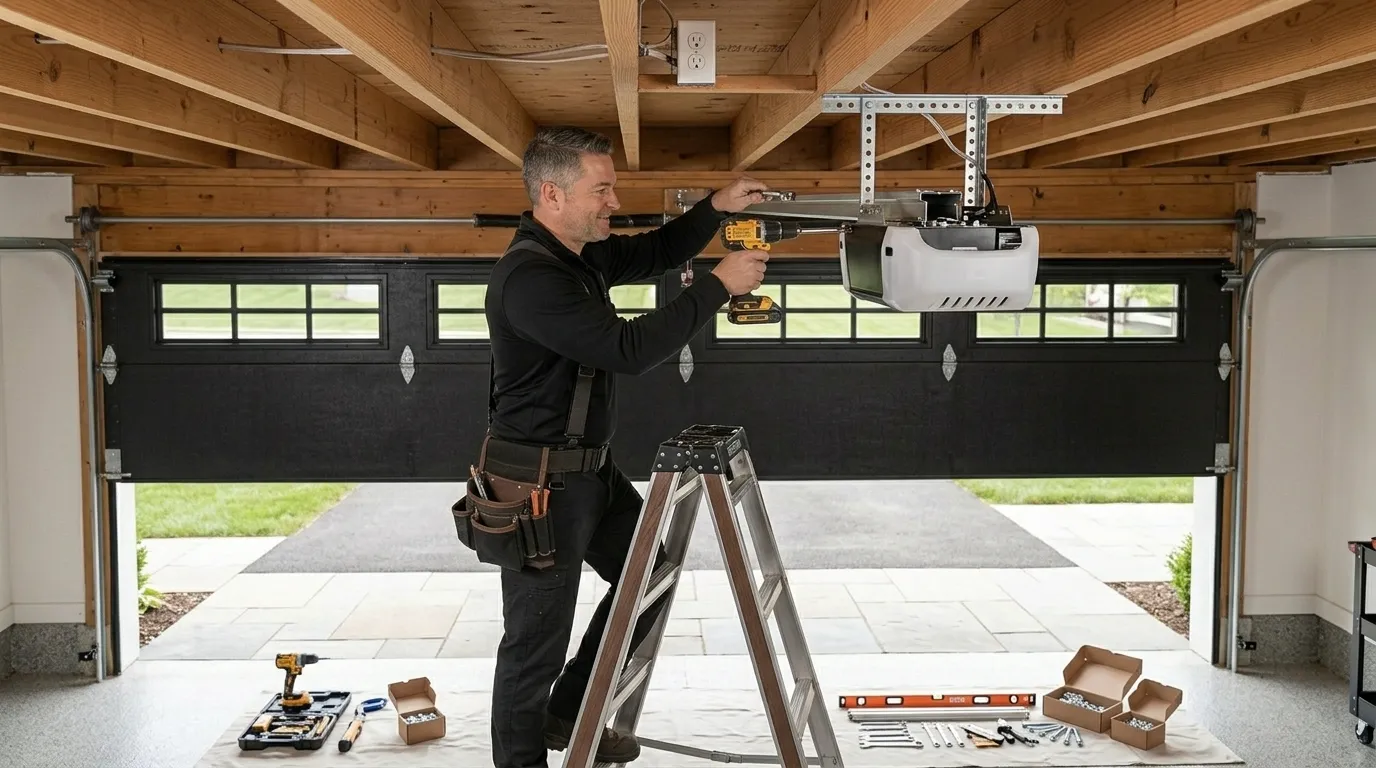
You call, you describe what the door is doing - won't open, opens partway and stops, makes a bang and freezes, opener runs but nothing moves. From that we can usually tell you whether it sounds like a spring, a cable, an opener gear, or a track alignment issue before a truck ever leaves. We ask what year the house was built if you know it, because in this area that alone tells us a lot about what hardware we're likely dealing with. Once we're on site, we check the springs, the cables, the rollers, the track plumb, and the opener force settings before touching anything, because a door that's slamming or reversing on its own is often three small problems compounding, not one big one. We'll walk you through what we find and what it costs before any work starts. Some calls end with a fifteen-minute roller and track service. Others end with a full spring replacement on both sides of a double door, since we don't like sending a truck back out in a week because we only fixed half the problem.
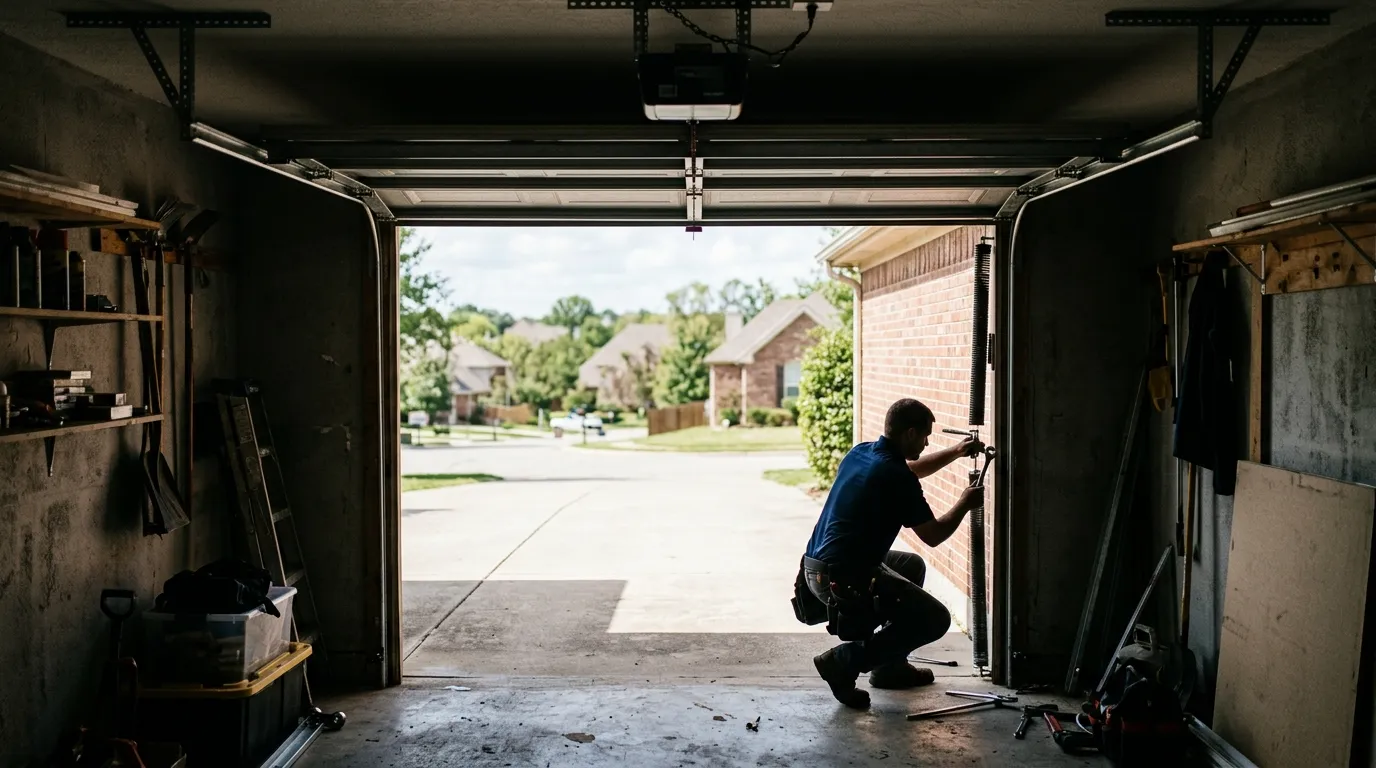
There's a point where patching an old door stops making sense, and we'll say so instead of running up a bill. If the door is from the earlier end of the 1944-1991 build range and you're now looking at a second spring failure, a worn-out opener, and a track that's rusted from age, that's usually three repairs stacked on a door that's simply at the end of its service life. At that point a new door and opener, sized right and installed once, costs less over a few years than repeated service calls on old steel. We also won't push replacement on a door that just needs one part - if a cable snapped but the panels, track, and springs are sound, we fix the cable and send you on your way. The honest call goes both directions, and it depends on the age and condition in front of us, not a sales script.
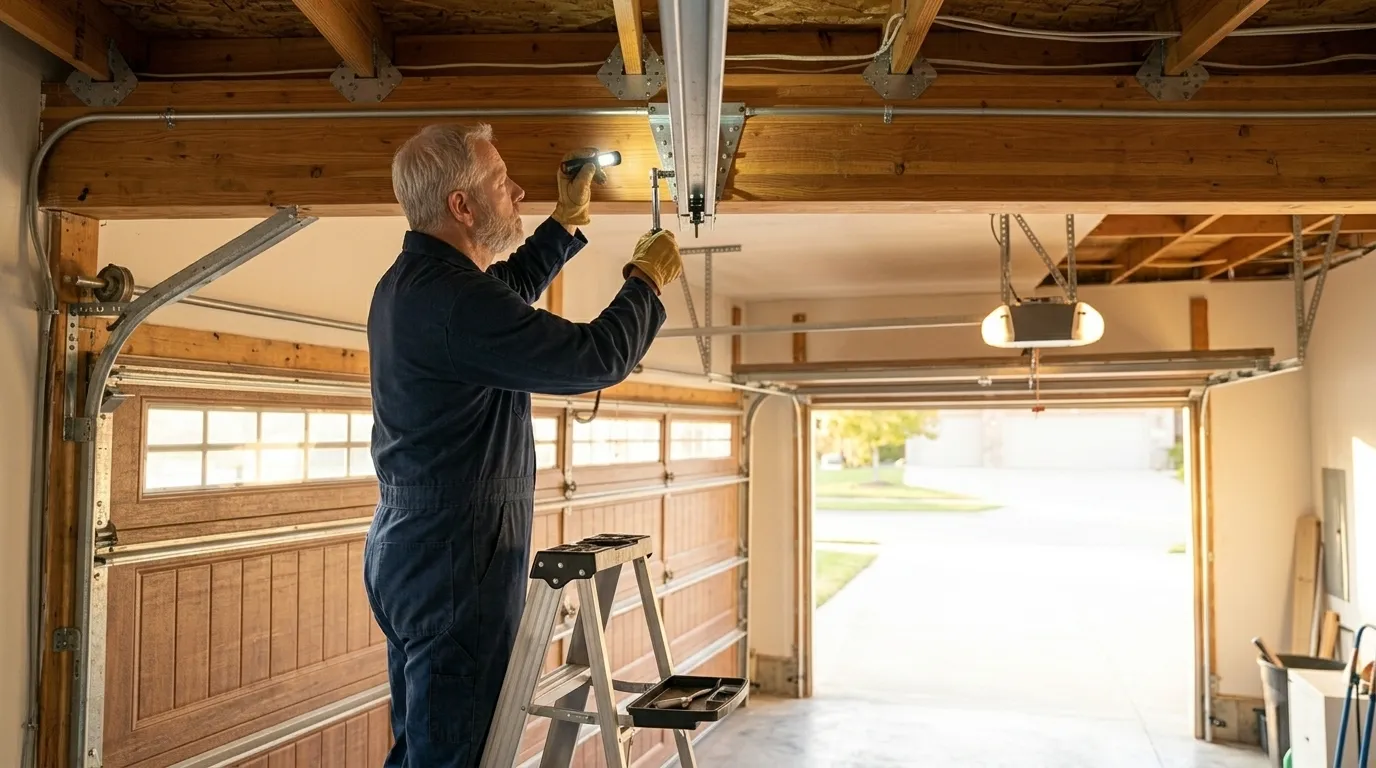
This area sits in a cold, severe winter climate, and that shows up directly in what fails. Cold makes steel springs more brittle and metal contract, so torsion springs that were already near the end of their cycle count tend to snap in the coldest stretches of the year, not in July. Openers strain harder in cold too - the gears and belts see more resistance when grease thickens up, and older chain-drive units especially will start grinding before they quit outright. With most of the local housing dating to the 1960s and '70s across dozens of neighborhoods in this area, we see a lot of steel doors from that era with worn rollers and hardened, cracked weatherstripping that let cold air and moisture into the track, which speeds up rust on cables and hinges. Panel dents from cars and errant basketballs happen everywhere, but the spring and opener failures tied to winter cold are the calls that spike hardest here.
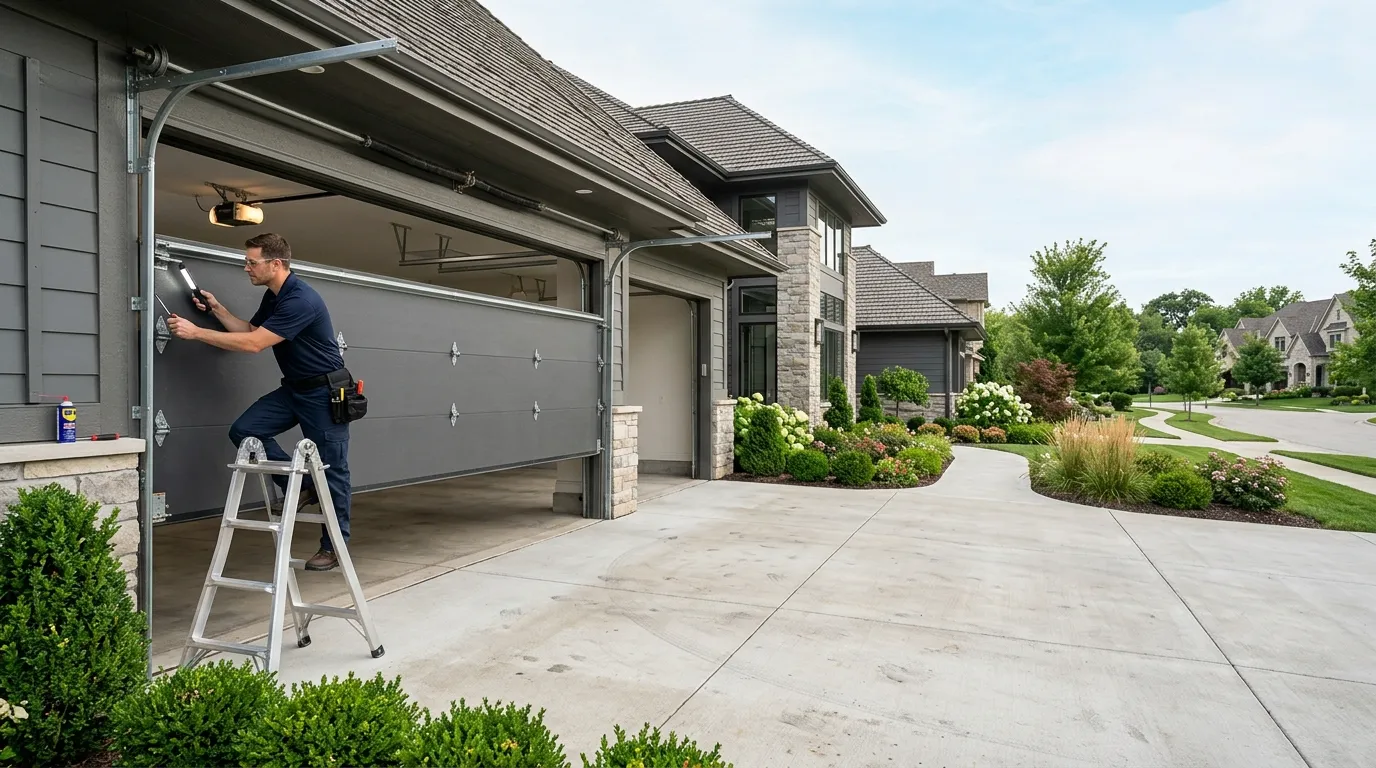
We work out of Canton and cover the surrounding area, including Plymouth, Wayne, Garden City, Belleville, Inkster, Romulus, Northville, Dearborn Heights, Taylor, and towns further out like South Lyon, Allen Park, Wixom, and Southgate. Across this service area there are roughly 225,287 households and about 121,971 owner-occupied houses, and median household income sits around $71,783 - which tells you most of these are owned, lived-in homes, not rentals, and owners tend to want a repair done right rather than the cheapest patch. The housing itself spans 1944 to 1991 with a median build year of 1963, and that stock shows up consistently across roughly 33 named areas we work in, meaning the same generation of door hardware, opener wiring, and track spacing turns up again and again. That consistency helps us - we're not guessing at what's behind the panel, because we've seen the same setup two streets over.
Good to Know
Torsion springs weaken gradually with every open-close cycle, and cold steel is more brittle and more prone to a sudden snap once it's near the end of its life. In this area's severe cold winters, a spring that had maybe a few hundred cycles left often gives out on a cold morning rather than failing gradually. It's rarely truly sudden - it was already close.
It depends on whether the door and track have been replaced since. A lot of homes from that era still have original or early-replacement torsion hardware sized differently than what's stocked for new doors today. We check the spring wire size and drum setup on site before quoting, since that's what determines whether the part is on the truck or needs sourcing.
If the opener is original chain-drive equipment from that period, we'll usually recommend replacement rather than repair - parts for units that old are scarce, and a new opener runs quieter and safer with modern reversing sensors. If it's a newer opener with one failed part, repair usually makes more sense.
Yes. We work throughout the surrounding area including Plymouth, Wayne, Garden City, Belleville, Inkster, Romulus, Northville, Dearborn Heights, Taylor, and other nearby towns out to about a 20-mile radius.
Call now or request a free quote - same-day service on most repairs, upfront written pricing.